Shaquille O’Neal Net Worth Explained: The $500 Million Financial Playbook of a Basketball Legend
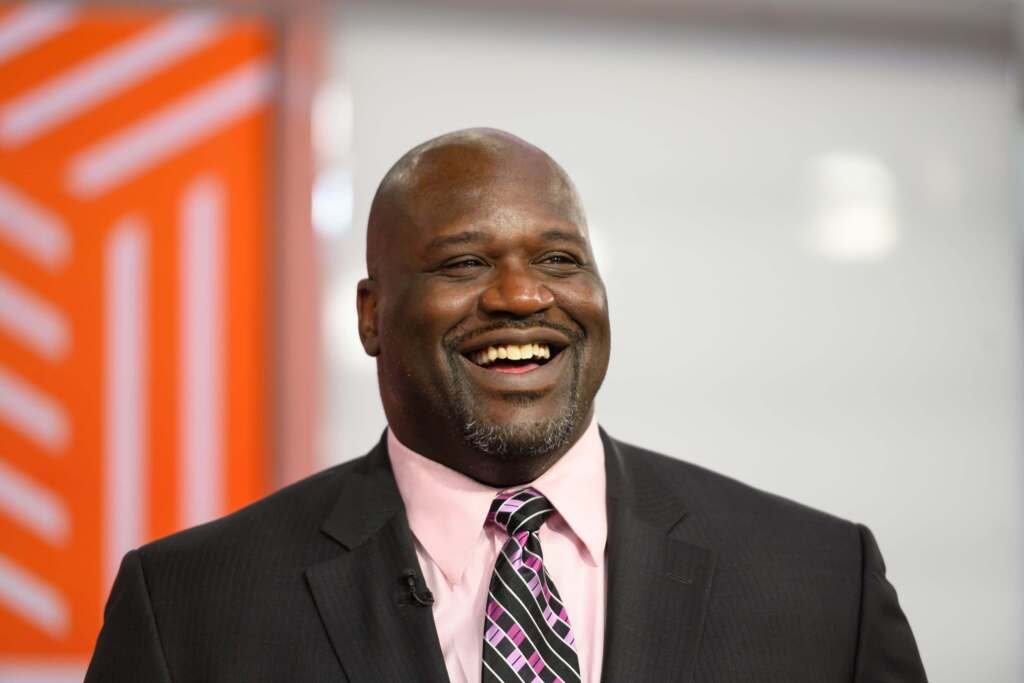
Shaquille O’Neal’s net worth is estimated at $500 million, a fortune built not from basketball salaries alone but from a masterfully diversified portfolio of endorsements, franchises, and strategic investments that now earn him more annually than his playing days ever did. While his 7’1″ frame dominated NBA courts for 19 years, leading to four championships and a Hall of Fame legacy, his true financial genius emerged in retirement. Shaq has transitioned from a sports superstar to a business mogul, building an empire that serves as a powerful case study in wealth creation, preservation, and strategic diversification.
This analysis delves exclusively into the financial architecture of Shaquille O’Neal’s wealth, tracing the evolution from his first NBA contract to his current status as a preeminent athlete-investor. We will explore the salary milestones of his playing career, the endorsement deals that built his brand, the calculated shift in his investment philosophy, and the detailed portfolio that secures his financial future.
From Rookie Contract to Financial Maverick: The Evolution of Earnings
Shaquille O’Neal’s financial journey began with the classic trajectory of a number-one draft pick but quickly evolved into something extraordinary. His on-court earnings provided the massive capital required to build his empire, but it was his off-court decisions that transformed that capital into lasting wealth.
NBA Salary: The Foundation of a Fortune
During his 19-season career, O’Neal earned approximately $292 million in salary alone, making him one of the highest-paid players of his era. His earning power escalated dramatically with his move from the Orlando Magic to the Los Angeles Lakers in 1996, where he signed a landmark seven-year, $121 million contract—the largest in NBA history at the time.
The table below tracks the progression of his annual NBA salary, highlighting key contracts and career phases:
| Season | Team | Salary (USD) | Notable Context |
|---|---|---|---|
| 1992-93 | Orlando Magic | $3,000,000 | Rookie year, Rookie of the Year |
| 1995-96 | Orlando Magic | $5,700,000 | Final season with Magic |
| 1996-97 | Los Angeles Lakers | $10,714,000 | First year of historic $121M deal |
| 1999-00 | Los Angeles Lakers | $17,142,858 | First NBA Championship season |
| 2003-04 | Los Angeles Lakers | $24,749,999 | Final season with Lakers |
| 2004-05 | Miami Heat | $27,696,430 | Peak annual salary, first season with Heat |
| 2010-11 | Boston Celtics | $1,352,181 | Final NBA season |
This salary stream provided the essential liquidity for early investments. However, Shaq has been candid about not initially leveraging it wisely. He famously admitted to spending his first $1 million salary in just 30 minutes after receiving the check, a early lesson in the fleeting nature of cash without a plan.
Endorsements: Building the “Shaq” Brand
Parallel to his salary, endorsement deals became a colossal revenue stream. During his playing days, O’Neal earned an estimated $200 million from partnerships with brands like Reebok, Pepsi, Buick, and countless others. His charismatic, larger-than-life personality made him a marketing ideal.
Unlike many athletes whose endorsement income fades after retirement, Shaq’s has grown. Today, he earns an estimated $60 million per year from endorsements and business ventures, surpassing his active-player endorsement income. Key to this longevity has been his strategic role with the Authentic Brands Group (ABG), where he is a major shareholder. Through ABG, he helps manage and revitalize brands like Reebok, Forever 21, and JC Penney, turning mere spokesperson roles into equity positions with deeper financial upside.
The Pivot Point: A New Investment Philosophy
Shaq’s early investment approach was, by his own admission, naive and driven by get-rich-quick schemes. He recalls that from ages 19 to 26, “anybody could come to my office, tell me that deal and I would take it right away. No research, no due diligence”.
A pivotal moment came from advice by Amazon founder Jeff Bezos. At a consumer electronics show, Bezos stated that if you “invest in things that’s going to change people’s lives, you’ll always get a great return on your investment.” This philosophy resonated deeply with O’Neal and prompted a fundamental shift in his strategy. He moved from chasing opaque financial promises to seeking tangible value in products and services he understood and believed in.
Deconstructing the Portfolio: A Masterclass in Diversification
Shaquille O’Neal’s estimated $500 million net worth is not a monolithic pile of cash but a carefully (if instinctively) allocated portfolio across multiple asset classes. Analysis of his holdings reveals a strategic balance between income-generating franchises, high-growth equities, stable real estate, and other ventures.
The following table summarizes the estimated allocation of his investment portfolio:
| Asset Class | Portfolio Allocation | Key Examples |
|---|---|---|
| Franchise Investments | 36% | Papa John’s, Auntie Anne’s, Five Guys, Krispy Kreme, 24-Hour Fitness, Big Chicken |
| Startup & Equity Stakes | 25% | Google (pre-IPO), Ring, Apple, Lyft, WynnBET |
| Real Estate | 21% | Residential properties in GA, TX, FL, NV; Commercial development (777 McCarter) |
| Other Holdings & Cash | 18% | Stocks, Annuities, Car Washes (~150), Nightclubs, Media Salary |
Franchise Empire: The Bedrock of Cash Flow
Franchising forms the core of Shaq’s wealth, offering scalable, system-driven businesses with recurring revenue.
- Pizza & Fast Food: He owns nine Papa John’s franchises and served on the company’s board, playing a key role in rehabilitating its public image. His involvement with Five Guys was even more extensive, as he once owned 155 locations (about 10% of the chain’s total) before eventually selling his stake. He has also owned stakes in Krispy Kreme and previously held 17 Auntie Anne’s pretzel franchises.
- Original Concept – Big Chicken: Moving beyond pure franchising, Shaq launched his own fast-casual brand, Big Chicken, in 2018. The chain has reported explosive growth with a 0% failure rate against an industry average of 10%, demonstrating his ability to build, not just buy, successful concepts.
- Fitness & Services: His portfolio includes 40 24-Hour Fitness gyms and an estimated 150 car washes, the latter providing a steady, recession-resistant income stream with minimal daily oversight required.
Strategic Equity Investments: Early Bets on Giants
Shaq’s most legendary financial wins come from prescient early-stage investments. His venture into technology, guided by his new “change people’s lives” philosophy, has been spectacularly successful.
- Google & Apple: In a move that defines investment foresight, O’Neal purchased pre-IPO stock in both Google and Apple in 2004. These stakes have grown exponentially, contributing massively to his net worth.
- Ring: He invested in the home security company Ring, which was later acquired by Amazon in 2018 for about $1 billion, yielding another monumental return.
- Other Ventures: His tech and startup portfolio also includes investments in companies like Lyft and the online gambling platform WynnBET.
Real Estate: Tangible Assets and Development
Real estate provides Shaq’s portfolio with stability and appreciation potential. His strategy mixes personal luxury homes with serious commercial development.
- Residential Holdings: He has owned an array of spectacular properties, from his famous Florida mansion “Shaq-apulco” (sold for $11 million) to homes in Georgia, Texas, Los Angeles, and Las Vegas.
- Commercial Development: Demonstrating a deeper level of real estate engagement, O’Neal is a lead developer of “777 McCarter,” a 33-story apartment tower in his hometown of Newark, New Jersey. This project moves him from passive ownership to active creation, with 370 rental units offering long-term income.
Media and Entertainment: Leveraging Personality for Profit
His role as an analyst on TNT’s Inside the NBA is both a passion and a lucrative income source, with a reported contract paying $15 million per year. This steady, high-profile paycheck funds his investment activities and maintains his public relevance, which in turn fuels his endorsement value.
Principles of the “Shaqonomics” Philosophy
Examining O’Neal’s financial evolution reveals a set of core principles that guide his decisions:
- Invest in What You Know and Believe In: The Bezos-inspired shift was crucial. He now focuses on consumer-facing businesses—food, fitness, comfort, entertainment—that he can intuitively understand and authentically promote.
- Prioritize Cash Flow and Diversification: His portfolio is engineered to generate money from multiple, unrelated sectors. If the restaurant sector struggles, tech investments or real estate rents can offset it. The car washes and franchises provide reliable, predictable income.
- Leverage Fame into Equity: Shaq rarely settles for just a fee. He seeks ownership stakes, board positions, or partnership shares. His deal with Papa John’s and his role with ABG transform his celebrity from a cost for brands into a vested, long-term partnership for him.
- Plan for Permanence with Annuities and Safe Havens: After early profligacy, he learned the importance of safe, long-term holdings. He has publicly praised the advice to invest in annuities, which provide a guaranteed income stream for later life, calling it one of his “greatest investments”.
- Embrace Education and Expert Counsel: Shaq openly acknowledges seeking advice from financial mentors and surrounding himself with people smarter than him in specific fields. He returned to school to earn his MBA, signaling a commitment to formal business education.
Conclusion: A Legacy Defined by Financial Intelligence
Shaquille O’Neal’s $500 million net worth is a testament to a remarkable journey of financial maturation. He transformed himself from a phenomenally gifted earner into a sophisticated, disciplined builder of wealth. His story breaks the tragic archetype of the bankrupt athlete, proving that the skills of discipline, teamwork, and strategic thinking honed on the court can be successfully applied to the world of finance.
While the towering figure and thunderous dunks belong to NBA highlight reels, his enduring legacy may ultimately be financial. Through a mix of calculated risk on transformative tech, steady growth from franchise cash flows, and the stability of real estate, Shaquille O’Neal has constructed a post-career empire that not only sustains but significantly grows his wealth. His playbook offers a powerful lesson: true financial victory isn’t just about how much you earn, but about the wisdom, strategy, and diversification with which you invest it.
Also Read: Claressa Shields’ Net Worth
Frequently Asked Questions (FAQs) About Shaquille O’Neal’s Net Worth and Financial Empire
What is Shaquille O’Neal’s current net worth, and is it still growing?
Shaquille O’Neal’s current net worth is estimated to be approximately $500 million. Remarkably, it is not static but continues to grow significantly in his post-basketball career. The growth is driven by his diversified business portfolio, which generates an estimated $60 million annually from endorsements and ventures—a figure that now surpasses his peak yearly earnings as an active NBA player.
How much did Shaq earn from his NBA salary over his career?
Over his 19-season Hall of Fame career, Shaq earned approximately $292 million in NBA salary alone. His peak earning year was the 2004-05 season with the Miami Heat, where he made $27.7 million. This salary formed the critical capital foundation for his subsequent investments.
What was Shaq’s biggest investment mistake or lesson learned?
Shaq has been open about his early financial missteps. Two key lessons stand out: First, he famously spent his entire first $1 million NBA paycheck in just 30 minutes. Second, he admitted that from ages 19 to 26, he invested in nearly any deal presented to him without research. The pivotal lesson came from Jeff Bezos, who advised him to invest in things that change people’s lives, leading Shaq to shift to a strategy of investing only in products and businesses he understands and believes in.
What are the core pillars of Shaq’s investment portfolio?
Shaq’s $500 million empire rests on four main pillars:
Franchise Empire (36%): This includes ownership in over nine Papa John’s locations, 155 Five Guys franchises (now sold), 40 24-Hour Fitness gyms, and his own growing chain, Big Chicken.
Strategic Equity (25%): His legendary early investments in Google and Apple (pre-IPO) and the home security company Ring (acquired by Amazon) have yielded monumental returns.
Real Estate (21%): A mix of luxury residential properties and serious commercial development, like the “777 McCarter” apartment tower project in Newark.
Other Holdings & Cash (18%): This includes his TNT salary (~$15M/year), annuities, and other businesses like his chain of ~150 car washes.Which single investment has been the most profitable for Shaq?
While exact figures are private, his investment in pre-IPO shares of Google and Apple in 2004 is widely considered among his most profitable. These stakes have grown exponentially over nearly two decades, benefiting from the historic appreciation of both tech giants. His investment in Ring, which was acquired by Amazon for around $1 billion, is also cited as a massively successful venture.
How does Shaq make more money now than he did while playing?
Shaq’s post-career income (est. $60M/year) surpasses his playing-day earnings through a powerful combination of cash-flow assets and strategic equity:
Ownership, Not Just Endorsements: He has transitioned from being a paid spokesperson to a part-owner and board member (e.g., with Papa John’s and Authentic Brands Group), giving him a share of long-term profits.
Scalable Business Models: His franchises (gyms, restaurants, car washes) generate recurring revenue with professional management, requiring less daily involvement from him.
Media Salary: His role on TNT’s Inside the NBA provides a steady, high-eight-figure annual income.
Investment Appreciation: The value of his equity stakes in companies like Google and Apple continues to compound.What is “Shaqonomics,” or Shaq’s personal investment philosophy?
“Shaqonomics” refers to the set of principles derived from his financial journey:
Invest in What You Know: Focus on consumer-facing businesses (food, fitness, fun) you understand.
Prioritize Cash Flow & Diversification: Build a portfolio that generates income from multiple, unrelated sectors to mitigate risk.
Leverage Fame into Equity: Seek ownership stakes and partnerships, not just one-time fees.
Plan for Permanence: Use instruments like annuities for guaranteed lifetime income and safe havens.
Embrace Education & Counsel: Continuously learn and rely on expert advisors in fields where you are not an expert.How important were endorsements to building his wealth?
Endorsements were and remain critically important. During his playing days, they added an estimated $200 million to his wealth. Today, they are integrated into his business strategy. Instead of simple cash-for-promotion deals, he often negotiates for equity stakes or board positions, turning his celebrity into a long-term appreciating asset (as seen with his relationship with Reebok through Authentic Brands Group).
What role does real estate play in his portfolio?
Real estate provides stability and long-term appreciation. It is not just about luxury homes (like his former “Shaq-apulco” mansion) but serious commercial development. His lead role in developing the 777 McCarter apartment tower shows a shift from passive ownership to active value creation, aiming to generate steady rental income and property value growth.
What can aspiring investors learn from Shaquille O’Neal’s financial journey?
Shaq’s story is a masterclass in financial evolution:
Start with Capital, But Follow with Strategy: A high income is pointless without a smart plan.
Diversify Aggressively: Don’t rely on a single income stream or asset class.
Think Long-Term and Seek Ownership: Equity and cash-flow assets build generational wealth faster than one-time paychecks.
Learn from Mistakes and Adapt: He moved from impulsive spending to disciplined, research-driven investing.
Your Brand is an Asset: He systematically converted his fame and personality into business partnerships and ownership opportunities.