
The $170 Million Question: Unpacking Lil Wayne’s Financial Empire
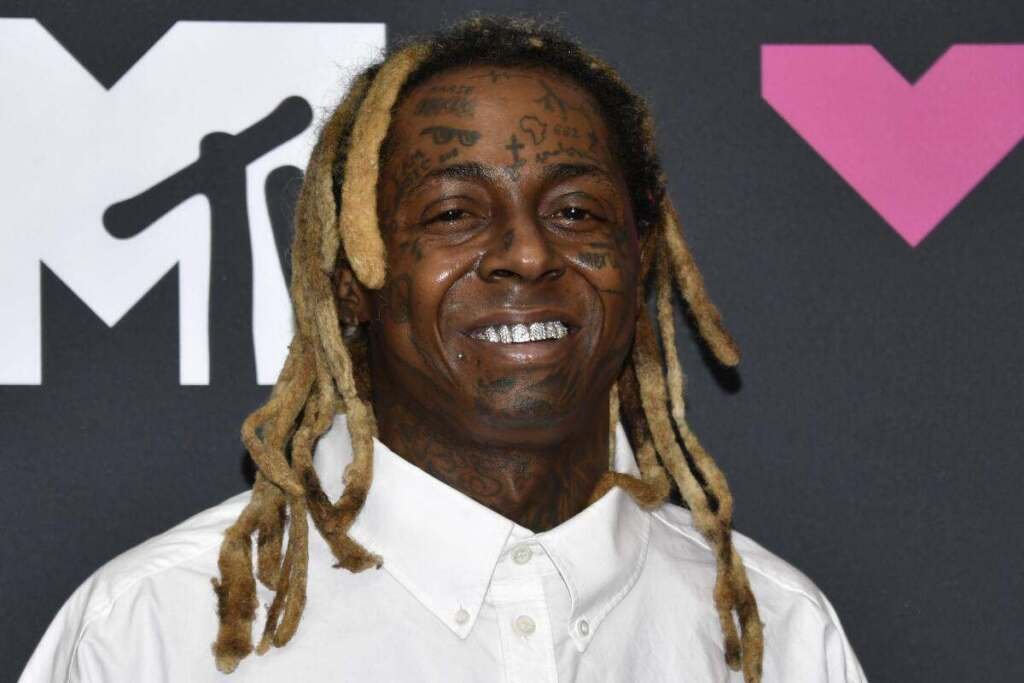
The Figure and the Fiction: A Net Worth Enigma
In the world of hip-hop finance, few figures are as frequently cited—and as hotly contested—as Lil Wayne net worth. As of early 2026, a near-unanimous chorus of financial publications and celebrity trackers estimates the wealth of Dwayne Michael Carter Jr. to be approximately $170 million. This figure crowns him as one of the most financially successful artists in rap history, a testament to a career spanning over two decades, more than 120 million records sold worldwide, and a legendary catalog of hits.
Yet, the man at the center of this valuation offers a starkly different personal audit. In a candid interview, Lil Wayne bluntly refuted the public estimates, stating, “I don’t have a cent close to that sh*t”. He has humorously recounted calling his agent to complain about the inflated figures found online, calling himself a “zillion-dollar n**ga on Google” in a mix of amusement and frustration. This glaring contradiction between public perception and private reality opens a fascinating window into the complex, often misunderstood nature of celebrity wealth.
It underscores a critical truth: net worth is a snapshot of assets minus liabilities, not a reflection of liquid cash in a bank account. For an artist of Lil Wayne’s caliber, wealth is tied up in intellectual property, real estate, business equity, and other investments, all while being subject to significant expenses, taxes, and debts.
The journey to this financial peak has been a rollercoaster. From a peak in the late 2000s, his wealth faced considerable strain. By 2012, Forbes estimated his net worth at $27 million, a fraction of today’s cited figure. This period was marked by high-profile financial struggles, including a $51 million lawsuit against his former label, Cash Money Records, over unpaid advances and royalties for Tha Carter V, and a daunting $14 million in IRS tax liens for back taxes from 2011 and 2012. The latter burden was so severe that fellow rap mogul Jay-Z secretly stepped in to help him resolve it, an act of generosity Wayne has publicly acknowledged.
The dramatic resurgence to a $170 million valuation is primarily credited to one of the most strategic moves of his career: the 2020 sale of his Young Money Masters catalog to Universal Music Group for a reported $100 million. This single transaction not only injected monumental capital but also redefined his asset portfolio, showcasing a mature shift from artist to asset manager.
The following table breaks down the core revenue streams that construct Lil Wayne’s modern financial empire:
Decoding the Revenue Engine: Music, Masters, and Enduring Royalties
The bedrock of Lil Wayne’s fortune is, unsurprisingly, his unparalleled musical output. However, his approach to monetizing this creativity has evolved from earning advances and tour receipts to executing high-level asset sales and leveraging the infinite shelf-life of the digital streaming era.
The Catalog Sale: A $100 Million Masterstroke
The most significant financial event in Lil Wayne’s career was the July 2020 sale of the Young Money Masters catalog to Universal Music Group. This wasn’t just a sale of his own recordings; it included the valuable masters and publishing rights to works from the powerhouse roster of his Young Money Entertainment label, most notably early hits from Drake and Nicki Minaj. This nine-figure deal is a classic example of an artist capitalizing on the long-term value of their life’s work, converting future, uncertain royalty streams into an immediate, colossal lump sum. It provided the liquidity to settle debts, reinvest, and fundamentally secure his financial foundation.
The Perpetual Rhythm of Royalties
Even after such a sale, music continues to be a powerful daily earner. In today’s economy, a hit song is a financial asset that generates “rent” every time it is streamed, played on the radio, or used in a film or advertisement. Lil Wayne’s catalog, with its over 109 entries on the Billboard Hot 100 (a record for a male artist at one point), is a royalty-generating machine. Tracks like “Lollipop,” “A Milli,” and “6 Foot 7 Foot” maintain cultural relevance and consistent streaming numbers, translating into steady passive income.
This enduring value is vividly illustrated by the market for song royalties. For instance, an investor paid $27,000 in April 2023 for the royalty rights to “Me U and Hennessy,” a Lil Wayne-featured track. Following a viral moment on TikTok, the song’s streaming revenue surged, earning the investor $21,815 in royalties in under a year and a half—an 80.8% yield. This case underscores the tangible, long-term value embedded in Lil Wayne’s musical contributions.
Touring: The Live Wire of Liquid Income
While catalog sales and streaming provide the bedrock, touring remains the most direct and lucrative channel for liquid cash. Despite his iconic status, Lil Wayne remains a formidable draw on the live circuit. He commands an estimated $600,000 per show, a figure that can skyrocket for festival headline slots and multi-date arena residencies. Analysts estimate his annual earnings from all sources, which touring heavily influences, to be between $10 million and $15 million. This consistent high-level earning power is what fuels his lifestyle and provides the capital for new investments, demonstrating that his commercial appeal is far from dormant.
Beyond the Booth: A Diversified Portfolio of Business and Brand
Lil Wayne’s financial acumen extends far beyond the recording studio. He has systematically built a diverse portfolio of businesses and endorsements, transforming his personal brand into a multifaceted commercial enterprise.
Young Money Entertainment: The Label That Built Empires
Founded in 2005, Young Money Entertainment is arguably Lil Wayne’s most visionary business achievement. More than just a vanity label, it was an artist development powerhouse that identified and nurtured two of the defining superstars of the next generation: Drake and Nicki Minaj. The success of these artists generated enormous value for the label through record sales, touring, and merchandising, a value that was ultimately crystallized in the $100 million catalog sale. Young Money proved Wayne’s ability to spot talent and think like an executive, creating wealth not just from his own art but from the art of others.
Entrepreneurial Ventures: From Streetwear to Cannabis
Wayne has consistently leveraged his personal style and interests into commercial brands:
- Trukfit: His clothing line, launched in the early 2010s, tapped directly into his massive fanbase and distinctive aesthetic, building a dedicated apparel business.
- GKUA Ultra Premium: Recognizing the cultural and economic shift, Wayne launched his own cannabis brand, GKUA Ultra Premium. This move placed him squarely in the burgeoning legal cannabis market, an industry with significant growth potential.
- Other Investments: His portfolio also includes interests in a sports management company (Young Money Sports) and has historically included stakes in ventures like the Tidal streaming service.
The Power of the Partnership: Endorsements and Collaborations
Lil Wayne’s iconic status makes him a powerful partner for brands. Over the years, he has secured lucrative endorsement deals with companies like Mountain Dew, Supra, and Beats by Dre. These partnerships often involve multi-million dollar contracts for campaigns, product placements, and co-branded merchandise. More recently, his collaboration with Amazon to promote the AI-powered Alexa+ shows his continued relevance and appeal to major tech corporations seeking cultural credibility. In this campaign, he highlighted how the technology helps manage his busy professional and personal life, from setting moods in his home to organizing studio sessions.
Brick and Mortar Wealth: The Real Estate Playbook
Lil Wayne’s investment strategy prominently features a sophisticated approach to real estate, where he has demonstrated a pattern of buying, customizing, and selling luxury properties for substantial gains.
His portfolio is anchored by a $15.4 million mansion in the exclusive enclave of Hidden Hills, California, which he purchased in April 2021. This property serves as his primary residence and a statement asset, complete with amenities like a private recording studio.
However, his most impressive transactions have been in the Miami luxury market, where he has executed profitable flips:
- In December 2018, he purchased a waterfront mansion on Allison Island for $16.75 million.
- After listing it for $29.5 million in 2022, he sold the property in 2023 for $22.6 million, securing a profit of approximately $5.85 million in less than five years.
- This followed an earlier deal where he sold a different Miami Beach mansion, which he had bought for $11.6 million and extensively renovated (adding features like a rooftop skate park), for $10 million in 2017.
This activity reveals a strategic mindset: investing in high-demand luxury markets, adding value through personalization (which often garners media attention), and selling when the market is favorable. These real estate holdings are not just homes; they are appreciating assets that significantly contribute to his overall net worth figure.
The Cost of the Crown: Liabilities, Taxes, and Financial Management
The path to a $170 million empire has been punctuated by significant financial hurdles that illustrate the complex liabilities facing self-made entertainers.
The most public of these challenges was a massive tax debt. The IRS filed liens against him totaling roughly $14 million for unpaid taxes from 2011 and 2012. This burden was severe enough that Lil Wayne has credited Jay-Z with providing crucial assistance to resolve it, calling him a “real friend” for the discreet help. This episode highlights a common pitfall for high-earning celebrities: managing enormous, fluctuating income without a fail-safe system for setting aside tax obligations.
Furthermore, legal and professional fees have consumed considerable capital. His protracted $51 million lawsuit against Cash Money Records to recover unpaid royalties and advances for Tha Carter V would have involved millions in legal costs. Additionally, management and agent commissions, which typically range from 10-20% of earnings, represent a permanent carve-out of his income.
These expenses provide essential context for Lil Wayne’s own skepticism about his published net worth. When he says the numbers online don’t reflect his reality, he is likely referring to the substantial difference between gross asset value and accessible, post-debt, post-tax liquidity. His financial journey underscores that building wealth is one challenge, but preserving and managing it through legal battles, tax authorities, and market fluctuations is an ongoing battle.
Conclusion: The Real Story Behind the Number
Lil Wayne’s financial narrative is a masterclass in modern celebrity wealth building—a complex tapestry woven from artistic genius, strategic business deals, and hard-won lessons. The widely cited $170 million net worth is a meaningful indicator of his total asset value, anchored by the historic $100 million catalog sale and bolstered by a diversified portfolio of music royalties, business ventures, and luxury real estate.
Yet, the more compelling truth lies in his own rebuttal. His journey confirms that a celebrity’s net worth is a static figure in a dynamic financial life. It is a snapshot that often misses the depth of liabilities, the cost of fame, and the reality of asset illiquidity.
From the heights of record-breaking sales to the depths of tax liens and legal disputes, Lil Wayne’s empire is a testament not just to earning power, but to resilience, reinvention, and the savvy to transform cultural capital into a lasting financial legacy. His story is a powerful reminder that in the world of high finance, the most important number is not always the one on the public balance sheet, but the one that reflects sustainable wealth and hard-earned security.
Also Read: Lil Yachty’s Net Worth
Frequently Asked Questions: Lil Wayne’s Net Worth and Financial Journey
What is Lil Wayne’s current estimated net worth?
As of early 2026, most credible financial and celebrity tracking publications estimate Lil Wayne’s net worth to be approximately $170 million. This figure is largely anchored by his strategic $100 million music catalog sale and represents his total asset value after accounting for liabilities.
Why does Lil Wayne say he’s not worth that much?
Lil Wayne has publicly disputed the high net worth figures you find online. This highlights a key financial distinction: net worth is not the same as liquid cash. His wealth is tied up in assets like music royalties, real estate, and business equity. After accounting for significant past liabilities (like tax debts and legal fees), the accessible cash is a different story, which is likely what he refers to.
What was the biggest single financial event of his career?
The most significant event was the July 2020 sale of his Young Money Masters catalog to Universal Music Group (UMG) for a reported $100 million. This sale included valuable rights to music from his own career and hits from Young Money artists like Drake and Nicki Minaj, providing a massive, immediate capital infusion.
How does Lil Wayne make money now?
His income is diversified across several streams:
Music Royalties: Ongoing earnings from streaming, publishing, and licensing of his vast catalog.
Touring: He commands an estimated $600,000 per show, contributing significantly to his annual income.
Business Ventures: Revenue from his GKUA Ultra Premium cannabis brand, Trukfit clothing line, and endorsement deals.
Real Estate: Strategic buying, renovating, and selling of luxury properties, particularly in Miami.What were his major financial struggles?
Lil Wayne faced two major public financial challenges:
A $51 million lawsuit against Cash Money Records over unpaid royalties for Tha Carter V.
IRS tax liens totaling about $14 million for back taxes from 2011 and 2012. He has acknowledged that fellow rapper Jay-Z provided crucial help in resolving this debt.How profitable is his real estate investing?
He has been successful, particularly in Miami’s luxury market. His most notable deal was purchasing a waterfront mansion for $16.75 million in 2018 and selling it in 2023 for $22.6 million, netting a profit of roughly $5.85 million.
What is the core lesson from Lil Wayne’s financial story?
His journey illustrates the difference between gross asset value and liquid, accessible wealth. Building a high net worth is one achievement, but managing it through taxes, liabilities, and market changes is an ongoing challenge. His story is one of monumental earning power, resilience, and strategic transformation of artistic success into a diversified financial portfolio.
For a detailed breakdown of each revenue stream and the timeline of his financial ups and downs, please refer to the full article above.